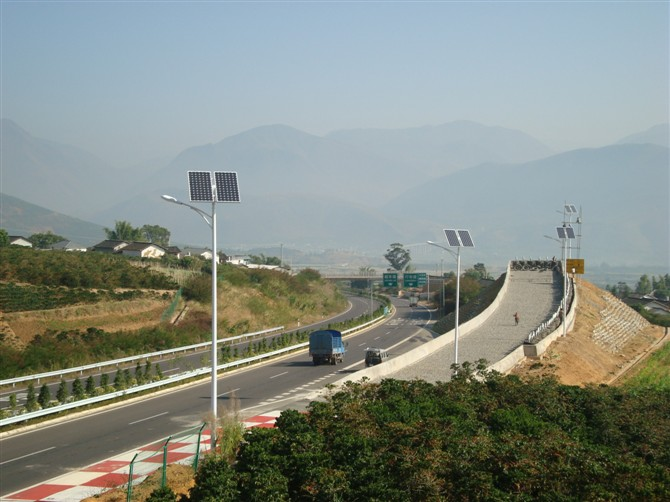
Nowadays, more and more roads, communities, factories, and construction sites are using solar street lights. Why are they so popular? Because they don’t require wiring or electricity bills—they charge from sunlight during the day and automatically light up at night. They're easy to install, cost-saving, and eco-friendly.
But here comes the question: many solar street lights look similar—how do you choose the right one that truly works well and lasts long? Based on our experience at Inbrit, here are five key things to pay attention to:
1. High-efficiency solar panels = more stable lighting
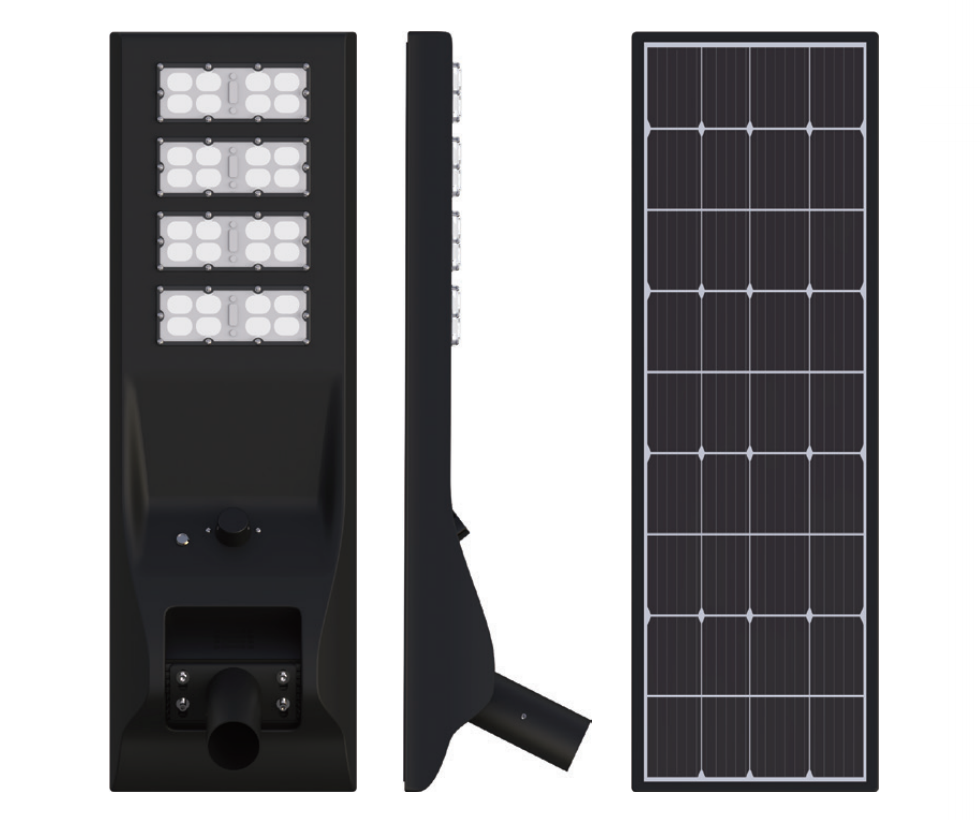
The solar panel is like the “power plant” of the light. Its job is to convert sunlight into electricity. If the conversion efficiency is low, the light may not get enough power, especially in cloudy weather. We recommend choosing monocrystalline panels with 20%+ efficiency, so they can still generate power even on overcast days.
For all-in-one solar street lights, the panel, light source, and battery are integrated, so the panel size directly affects the system’s charging efficiency.
2. Battery capacity should match actual needs
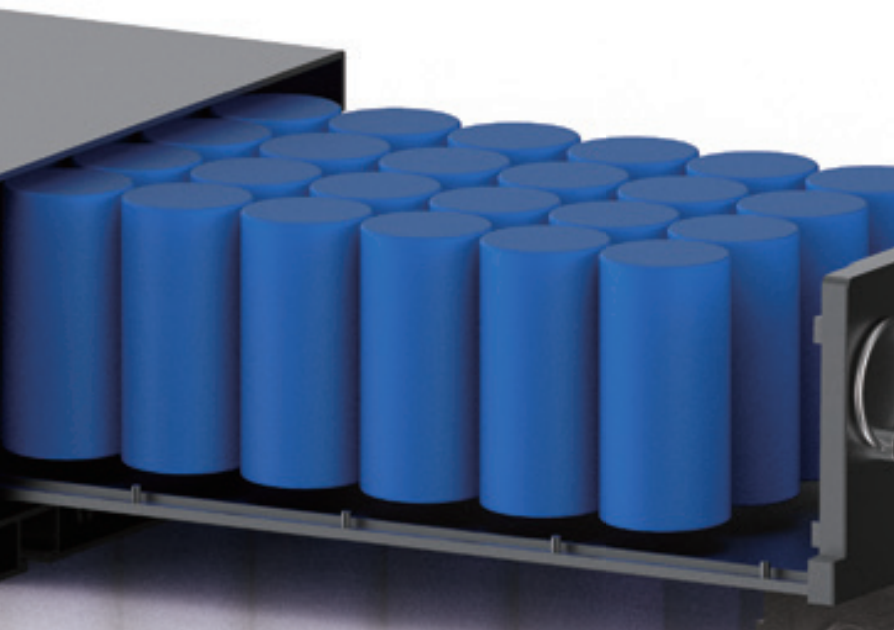
The battery stores the electricity and powers the light at night. If it's too small, the light might not work on rainy days; too large, and you’re just wasting money. Choose based on the lamp wattage, lighting duration, and local sunlight conditions. Most modern solar street lights use lithium batteries, which are lightweight, high-capacity, and safe. With the right setup, your light will stay on even after several cloudy days.
3. Smart control = better energy savings
A smart controller decides how the light works—it can turn on/off based on time or light level, dim the brightness, or activate when someone passes by. Some advanced models even support IoT remote monitoring, so you can track status and spot problems early. This is especially useful for projects that require centralized management.
4. Brightness isn't just about wattage
Don’t just look at wattage. Good solar street lights use high-lumen LED modules (up to 180lm/W) and optical lenses that distribute light evenly. That means a brighter, wider, and more comfortable lighting experience.
5. A solid structure matters for long-term use
Outdoor lights face wind, rain, and dust every day. That’s why the housing must be durable and weatherproof. We recommend materials like die-cast aluminum or hot-dip galvanized steel, and an IP65 or above rating for waterproof and dustproof protection.
Solar street lights don’t just help save money—they reflect a sustainable and eco-friendly way of living. Choosing the right product starts with choosing a reliable and experienced manufacturer.Inbrit has specialized in solar lighting solutions for over 10 years. We are committed to providing cost-effective and long-lasting lighting products. Feel free to contact us—we’re happy to offer professional advice for your project.
0086 19352672322